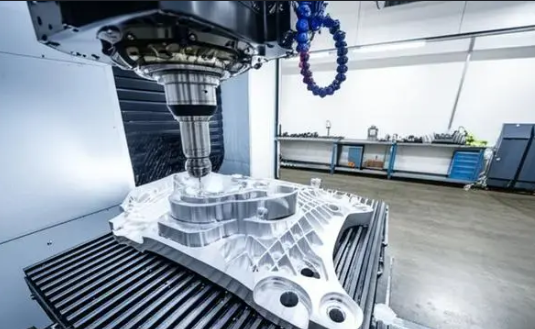
Many parts combine both rotationally symmetric features and off-axis geometry, requiring both turning and milling operations to complete. This guide explores how combined milling and turning capability streamlines production for these complex parts.
Why Some Parts Need Both Processes
A shaft with a keyway, a fitting with flat mounting faces, or a connector with off-center holes all combine cylindrical features best suited to turning with additional geometry that requires milling operations to complete.
See also: Green Crypto Projects to Watch
The Traditional Multi-Step Approach
Historically, producing such parts meant machining on a lathe for turned features, then transferring the part to a separate milling machine for additional operations, introducing setup time and potential alignment error between processes.
The Advantage of Mill-Turn Equipment
Modern mill-turn machines combine both capabilities into a single setup, machining turned and milled features without removing the part between operations, improving both accuracy and production efficiency for complex combined-geometry parts.
Evaluating Mill-Turn Capability for Your Project
Equipment Sophistication
Confirming a shop’s specific mill-turn equipment capability, including axis configuration and live tooling options, helps ensure genuine fit with your part’s specific combined-feature requirements.
Programming Expertise
Efficiently programming combined milling and turning operations requires specific expertise beyond either process alone, making a shop’s demonstrated experience with similar combined-process parts particularly valuable.
For a closer look at available combined milling and turning capabilities, custom cnc milling and turning offers additional detail worth reviewing.
Precision Achievable Through Combined Processing
Because combined mill-turn processing eliminates the alignment error introduced by transferring parts between separate machines, it often achieves better overall dimensional accuracy for complex parts than sequential separate operations.
Frequently Asked Questions
What types of parts typically benefit most from combined mill-turn processing? Parts combining rotationally symmetric features with additional off-axis geometry, such as shafts with keyways or fittings with flat faces, benefit significantly from this combined approach.
Does mill-turn processing always cost less than separate milling and turning operations? Often yes for complex parts, given reduced setup time and improved accuracy, though the actual cost comparison depends on specific part complexity and production volume.
Why does eliminating part transfer between machines improve accuracy? Each transfer and re-fixturing step introduces potential alignment error, and combined processing eliminates these cumulative error sources entirely.
Final Thoughts
Combined CNC milling and turning capability offers genuine efficiency and precision advantages for parts requiring both process types. Understanding when this combined approach adds value helps engineers make smarter manufacturing process decisions for complex part designs.

 By
By