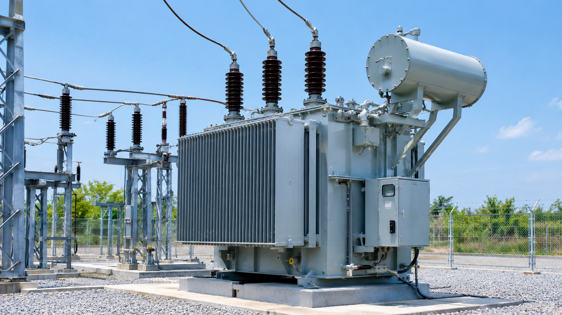
A transformer is an essential component of electrical distribution systems, supplying power at suitable voltage levels for commercial facilities, industrial operations, agricultural installations, and residential developments. Selecting the correct transformer requires an understanding of its capacity, installation requirements, electrical specifications, and operating conditions. A 167 kVA transformer is one option for installations that need a medium-capacity distribution unit to support multiple electrical loads.
Understanding how this equipment works, where it can be installed, and what affects its purchase cost helps engineers, contractors, facility managers, and property developers make informed decisions. This guide explains the main technical considerations, common configurations, and factors buyers should evaluate before purchasing a transformer.
What Is a 167 kVA Transformer?
A transformer rated at 167 kilovolt-amperes (kVA) is designed to handle an apparent electrical power load of up to 167 kVA under its specified operating conditions. The kVA rating represents the combined effect of voltage and current rather than real power measured in kilowatts (kW).
The amount of usable real power depends on the connected equipment’s power factor. For example, at a power factor of 0.8, a fully loaded 167 kVA unit corresponds to approximately 133.6 kW of real power. Actual usable capacity may be lower when operating conditions, harmonics, ambient temperature, or manufacturer limitations require additional allowances.
Transformers transfer electrical energy between circuits through electromagnetic induction. They can increase or decrease voltage while maintaining the same frequency. In distribution applications, they commonly reduce utility supply voltage to a level suitable for the equipment and facilities they serve.
Before choosing a unit, buyers should confirm the primary and secondary voltages, phase configuration, frequency, insulation system, cooling method, and applicable electrical standards.
See also: How to Choose a Dependable Power Source for Everyday Electronics
Common Applications and Installation Requirements
A transformer of this capacity can serve a range of installations, provided its electrical characteristics match the site’s requirements.
Typical applications include:
- Commercial buildings: Supplying power to lighting, air-conditioning systems, elevators, and office equipment.
- Industrial facilities: Supporting production machinery, pumps, motors, and auxiliary equipment.
- Agricultural installations: Providing electricity for irrigation pumps, storage facilities, and farm operations.
- Residential developments: Distributing power to housing clusters or other developments with suitable load profiles.
- Institutional facilities: Supplying electrical loads in schools, workshops, and certain healthcare or administrative buildings.
The actual suitability of a transformer depends on the demand profile rather than the building type alone. Engineers should consider peak demand, motor-starting current, expected future expansion, and the consequences of an interruption in supply.
Understanding a 167 kVA Pole Mounted Transformer
A 167 kVA pole mounted transformer is installed on an approved utility pole structure rather than on a ground-level foundation. This arrangement is commonly used in overhead electrical distribution networks, particularly in locations where underground distribution is impractical or more expensive.
Pole-mounted units can supply electricity to rural communities, agricultural properties, small commercial premises, and other locations connected to overhead distribution lines. Their elevated installation can reduce the need for dedicated ground space, although the supporting structure and surrounding electrical infrastructure must meet applicable safety requirements.
Several factors influence the selection of a pole-mounted unit:
Structural capacity: The pole, brackets, crossarms, and foundations must support the equipment’s weight and withstand relevant mechanical and environmental loads.
Voltage compatibility: The transformer must match the distribution network’s primary voltage and the required secondary supply.
Environmental protection: The enclosure, bushings, insulation, and external fittings must suit the site’s weather, pollution, and corrosion conditions.
Protection and grounding: Proper fusing, surge protection, earthing, and other protective arrangements are essential for safe operation.
Installation should be carried out by qualified electrical personnel in accordance with utility requirements and local electrical regulations. Required clearances, access restrictions, and maintenance provisions should be established before installation begins.
Is a 167 kVA Single Phase Transformer Suitable for Your Application?
A 167 kVA single phase transformer serves electrical systems that use a single-phase supply. Its suitability depends on the available utility connection, connected load characteristics, and the voltage required by the end user.
Single-phase transformers are often used in residential, agricultural, and certain commercial applications. They can be appropriate for installations dominated by single-phase equipment, but a high-capacity unit still requires careful assessment of current levels, conductor sizing, voltage drop, and protection settings.
At 240 volts, for example, a 167 kVA single-phase transformer would correspond to approximately 696 amperes on the secondary side under ideal rated conditions. The calculation is:
Current = Apparent power ÷ Voltage
Current = 167,000 VA ÷ 240 V ≈ 696 A
This example illustrates why the voltage rating matters as much as the kVA capacity. The actual secondary voltage may differ, and conductors, switchgear, and protective devices must be selected for the specified installation.
Buyers should also distinguish between single-phase and three-phase equipment. Three-phase systems are generally preferred for many industrial installations and larger motor loads because they can distribute power efficiently across three phases. The correct choice must follow the supply arrangement and engineering requirements rather than capacity alone.
Factors That Affect 167 kVA Transformer Price
The 167 kVA transformer price can vary significantly between manufacturers and suppliers. A quoted price should be assessed against the equipment’s technical specification, included accessories, delivery conditions, and warranty rather than capacity alone.
The main cost factors include:
Transformer construction: Oil-immersed and dry-type designs have different manufacturing, installation, and maintenance requirements. Dry-type units may be preferred in certain indoor environments, while oil-immersed equipment is widely used in outdoor distribution applications.
Voltage and phase configuration: Primary voltage, secondary voltage, insulation requirements, and single-phase or three-phase construction affect the design and final cost.
Core and winding materials: Copper and aluminium windings have different material costs and electrical characteristics. Core design and manufacturing quality also influence efficiency and purchase price.
Efficiency requirements: Equipment designed to meet stricter energy-loss limits may have a higher initial price but can reduce electricity losses throughout its service life.
Accessories and protection: Bushings, tap changers, temperature indicators, surge arresters, enclosures, monitoring devices, and other specified components can change the total quotation.
Transportation and installation: Freight, unloading, mounting structures, cabling, commissioning, testing, and site preparation may be charged separately.
Standards and certification: Compliance with the required national or international standards can affect manufacturing, testing, documentation, and cost.
For an accurate comparison, request itemised quotations from multiple qualified suppliers. Confirm whether taxes, installation, routine testing, transport, warranty coverage, and commissioning are included. Avoid relying on an estimated market price without verifying the exact specification and current supplier quotation.
How to Choose the Right Transformer
A suitable transformer should meet present electrical demand while allowing for reasonable changes in future consumption. The selection process should begin with a load assessment covering connected equipment, demand patterns, starting currents, and any sensitive electronic devices.
Next, verify the supply voltage, required output voltage, phase arrangement, frequency, and installation location. Environmental conditions, available space, ventilation, noise restrictions, fire-safety requirements, and maintenance access may influence the preferred design.
Efficiency should also be considered over the expected operating life. Transformer losses occur even when the connected load is low, so a unit that operates continuously may justify a closer comparison of no-load and load losses.
Finally, review the manufacturer’s technical documentation, test certificates, warranty, service availability, and spare-parts support. A qualified electrical engineer should confirm the final specification and ensure that protection systems, conductors, and switchgear are correctly rated.
Maintenance Practices for Reliable Operation
Regular inspection helps identify developing problems before they cause an outage or equipment failure. Maintenance requirements depend on the transformer design and the manufacturer’s instructions.
Common checks include inspecting bushings and connections for damage, monitoring unusual noise or overheating, checking for oil leakage where applicable, and examining grounding connections and protective devices. Electrical testing and oil testing, when required, should be performed by trained personnel using appropriate procedures.
Maintenance records should include inspection dates, test results, identified defects, and corrective work. Any abnormal temperature, visible leakage, burning smell, or unusual operating sound should be investigated promptly by qualified personnel.
Final Thought
Choosing a distribution transformer involves more than matching a kVA number to an estimated electrical load. Voltage compatibility, phase configuration, installation conditions, efficiency, protective equipment, and long-term maintenance all influence performance and operating costs.
Buyers should obtain a detailed load assessment, confirm applicable standards, and compare quotations based on equivalent technical specifications. Consulting a qualified electrical professional before purchase and installation helps ensure that the selected equipment meets the site’s electrical demands and safety requirements.


 By