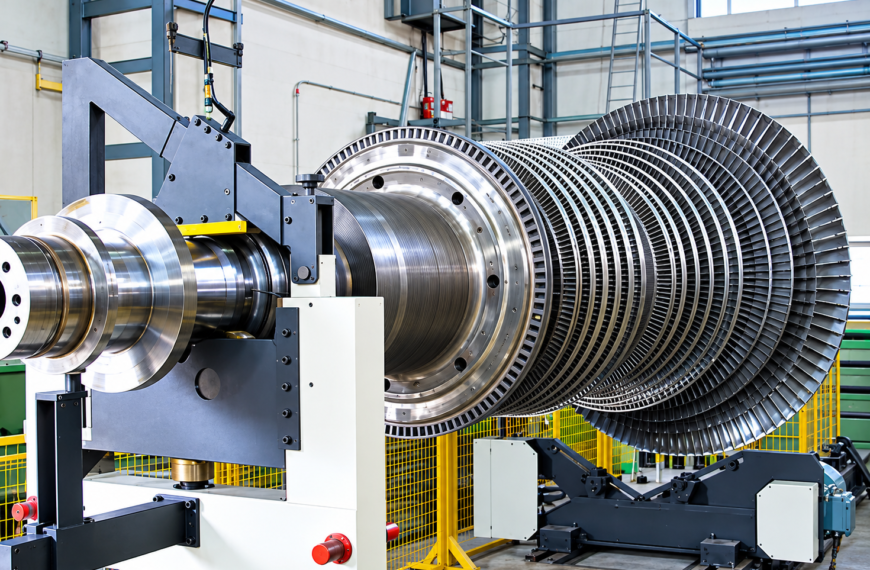
Sustainable tech integrates energy efficiency, circular design, and clean power to reduce environmental impact while preserving convenience. Systems are durable, modular, and repairable, guided by data on performance, cost, and emissions. Adoption scales through measurable gains, interoperable infrastructures, and supportive policies that balance reliability with user autonomy. By elevating energy literacy and responsible consumption, decisions become more resilient. The path forward is quantifiable and contestable, inviting scrutiny of assumptions and trade-offs. What comes next, given these constraints?
What Sustainable Tech Really Means for Everyday Life
Sustainable technology in everyday life refers to tools, devices, and systems designed to reduce environmental impact, conserve resources, and support long-term resilience without sacrificing convenience.
The analysis centers on measurable outcomes, adoption rates, and efficiency gains.
Energy literacy informs choices, while consumer responsibility shapes market demand and lifecycle stewardship.
Systemic evaluation reveals trade-offs, enabling informed, freedom-bearing decisions without overclaiming universal benefits.
Driving Impact: Energy Efficiency, Circular Design, and Clean Power
Energy efficiency, circular design, and clean power form an integrated framework for reducing lifecycle environmental impacts and accelerating decarbonization.
The analysis emphasizes measurable gains from optimized energy use, durable materials, and modular systems.
A data-driven view tracks performance, costs, and emissions, highlighting scalable interventions.
Practitioners pursue pragmatic solutions that balance reliability with freedom, enabling resilient operations while advancing circular design and clean power adoption.
energy efficiency, circular design, clean power.
Smart Infrastructure: From Homes to Cities
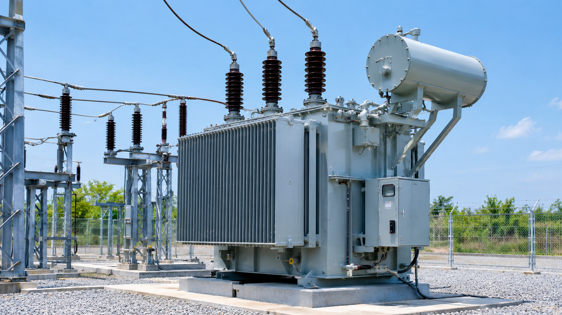
Smart infrastructure integrates technologies across residential, commercial, and civic contexts to optimize performance, resilience, and emissions. It emphasizes interoperable systems, quantified benefits, and scalable deployment. Data-driven frameworks track efficiency, reliability, and risk, guiding decision making. Smart grids enable dynamic energy management; urban sensors enhance monitoring; energy harvesting reduces grid strain; modular components support rapid upgrades while minimizing disruption and waste.
How to Choose, Use, and Support Greener Tech at Home and Work
From the prior discussion of smart infrastructure, the focus shifts to practical guidance for selecting, deploying, and sustaining greener technologies in homes and workplaces. Decisions center on energy efficiency metrics, lifecycle impacts, and total cost of ownership, balancing performance with autonomy.
Emphasize circular design principles, support for repairability, and transitions to clean power, ensuring resilient, freedom-inspired, data-driven adoption.
See also: adescareonline
Frequently Asked Questions
How Can I Verify a Tech Product’s True Environmental Impact?
The evaluation relies on traceability metrics and lifecycle auditing; practitioners verify claims through transparent data, independent certifications, and supply chain disclosures, enabling objective comparisons and timely course corrections for those seeking freedom via evidence-based environmental impact.
Which Certifications Best Indicate Genuine Sustainability Claims?
Certification criteria and impact verification are best indicators; trusted programs emphasize lifecycle assessment, third-party audits, and transparent reporting. A data-driven, pragmatic view shows credibility rises with independent verification, standardized benchmarks, and continuous improvement aligned to measurable environmental outcomes for stakeholders seeking freedom.
Do Greener Devices Cost More Over Their Lifecycle?
Do greener devices cost more over their lifecycle? Systemically, lifecycle costs favor energy efficiency and manufacturing ethics, as upfront price often rises, but total cost of ownership declines with maintenance, durability, and recycling benefits for freedom-minded buyers.
How Can Tech Upgrades Reduce E-Waste Effectively?
Tech upgrades reduce e-waste by extending device life through repairable design and widespread upcycling programs. Systematic data shows modular components and consumer-accessible repairs lower disposal rates while empowering independent reuse, fostering pragmatic freedom in sustainable technology choices.
What Funding Options or Incentives Support Sustainable Tech Adoption?
“Funding streams whisper opportunity.” The analysis shows funding incentives, Adoption grants, Certification verification, Lifecycle costs, E waste reduction, Device durability, Circular economy, Tax credits, Rebate programs, Energy benchmarks, Social impact, Materials sourcing, Repairability ratings, Renewable energy integration, Battery recycling.
Conclusion
Sustainable tech translates to tangible everyday gains, rooted in measurable efficiency, circularity, and clean energy. Systemic gains emerge when modular design, repairability, and lifecycle thinking are embedded in procurement, policy, and infrastructure, delivering lower emissions and cost over time. Data-driven metrics guide choices, ensuring reliability without sacrificing autonomy. As adoption scales across homes and cities, resilient decision-making becomes the norm. The future, like a well-tuned engine, runs smoother—only if everyone consistently fuels it with information, intention, and responsible use.

 By
By