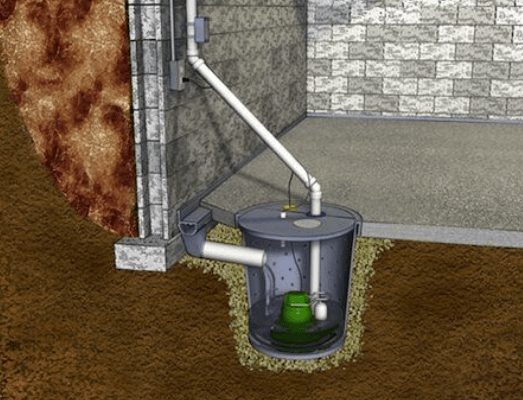
Installing a sump pump begins with proper sizing and placement in the lowest point of the basement or crawl space. A watertight basin, secure wiring with GFCI protection, and a discharge line with a backflow check valve are essential. The pump should connect to a dedicated circuit and use a reliable float switch. After setup, systematic testing and clear maintenance access are required. The next steps reveal how to ensure continuous operation during heavy rain and address common failures.
What a Sump Pump Is and Why It Matters
A sump pump is a device installed in the lowest part of a basement or crawl space to remove accumulating water and prevent flooding.
The system embodies sump pump basics, ensuring reliable operation and minimizing moisture risk. It addresses drainage considerations, guiding water away from structures and toward discharge paths.
Proper design informs maintenance, reduces damage potential, and supports long-term structural integrity and freedom from inundation.
Size, Placement, and Setup: Getting Your System Right
Sizing, placement, and setup determine a sump pump’s effectiveness: selecting the correct pump capacity, locating the unit for optimal flow and drainage, and configuring piping, check valves, and alarms to ensure reliable operation under varying wastewater and rainfall conditions.
Size considerations guide selection, while placement strategy optimizes efficiency, accessibility, and maintenance, reducing failure risk and enabling consistent performance across varying loads and events.
Wiring, Drains, and Safe Startup: The Installation Essentials
Wiring, drains, and safe startup form the core installation steps that follow sizing and placement decisions, ensuring reliable operation from the moment power is applied.
The section outlines drain routing paths and condensation considerations, while maintaining electrical safety through separation of circuits, proper grounding, GFCI protection as required, and compliant conduit runs.
Clear zoning minimizes interference and enables predictable startup behavior.
Test, Maintain, and Troubleshoot: Keeping It Ready for Rain
Regular testing, maintenance, and troubleshooting procedures ensure sump pump readiness before rainfall.
The section outlines testing procedures to verify sensor function, float switch alignment, and power continuity.
It then prescribes maintenance routines: cleaning intake, inspecting discharge lines, and confirming overflow alarms.
Troubleshooting covers blockage clearing, impeller checks, and fuse or breaker resets to sustain dependable operation during storms.
See also: Sustainable Tech for a Greener Future
Conclusion
In the quiet cadence of home maintenance, coincidence threads the sump pump’s purpose to its surroundings: a basement corner, a damp foundation, a storm’s edge. The pump arrives as if foreseen, its wiring and discharge aligned with code and gravity. A simple float triggers a decisive response, while a check valve seals fate from flood. When rain falls, readiness resonates: test, monitor, repeat—each small act curating an invisible shield against water’s insistence.

 By
By