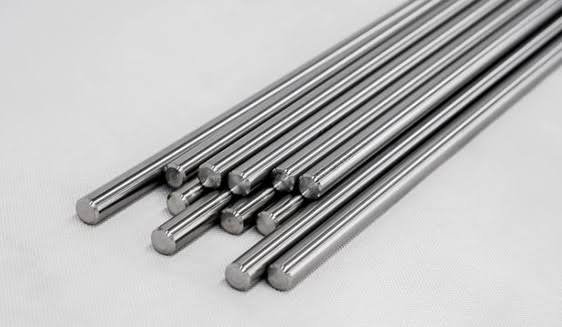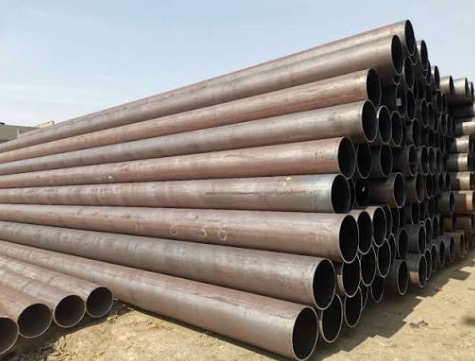
Structural projects in Australia and related markets frequently specify hollow section steel manufactured in compliance with the AS 1163 standard, which establishes the technical requirements governing these widely used structural products for the region’s construction industry.
Overview of AS 1163 Technical Requirements
The AS 1163 standard specifies requirements for chemical composition, mechanical properties, and dimensional tolerances applicable to cold-formed structural steel hollow sections, providing structural engineers working within relevant regulatory frameworks with a standardized basis for material specification.
See also: Green Crypto Projects to Watch
Grade Options Within the AS 1163 Framework
The standard encompasses multiple grade options offering different strength characteristics, allowing engineers to select the grade best suited to their specific structural loading requirements while balancing material cost considerations across their overall project budget.
Sourcing Compliant Material for Regional Projects
Buyers sourcing hollow section material for projects requiring AS 1163 compliance should verify that suppliers can provide appropriate mill certification specifically confirming compliance with this standard, rather than assuming general hollow section products will automatically meet these particular regional requirements. Buyers can review compliant product offerings from Longma as 1163 where standard-specific documentation is available.
Coordinating Specification Requirements with Project Engineers
Given the specific technical requirements embedded within the AS 1163 standard, procurement teams should coordinate closely with project structural engineers to ensure sourced material grade and dimensional specifications align precisely with the design requirements specified in project engineering documentation.
Common Questions
What does AS 1163 compliance verify about hollow section steel? AS 1163 compliance verifies that the material meets specified chemical composition, mechanical property, and dimensional tolerance requirements applicable to structural hollow sections under this standard.
Are all hollow section products automatically compliant with AS 1163? No, buyers should specifically verify AS 1163 compliance through appropriate mill certification rather than assuming general hollow section products meet this particular standard.
Why is coordination with project engineers important when sourcing AS 1163 material? Ensuring sourced material grade and dimensions precisely align with project engineering specifications helps avoid compliance issues or design conflicts during construction.
Conclusion
AS 1163 compliant hollow section steel provides structural engineers working within relevant regulatory frameworks with a standardized, reliable material option for their projects. Careful verification of compliance documentation and close coordination with project engineering requirements help ensure successful material sourcing outcomes.


 By
By